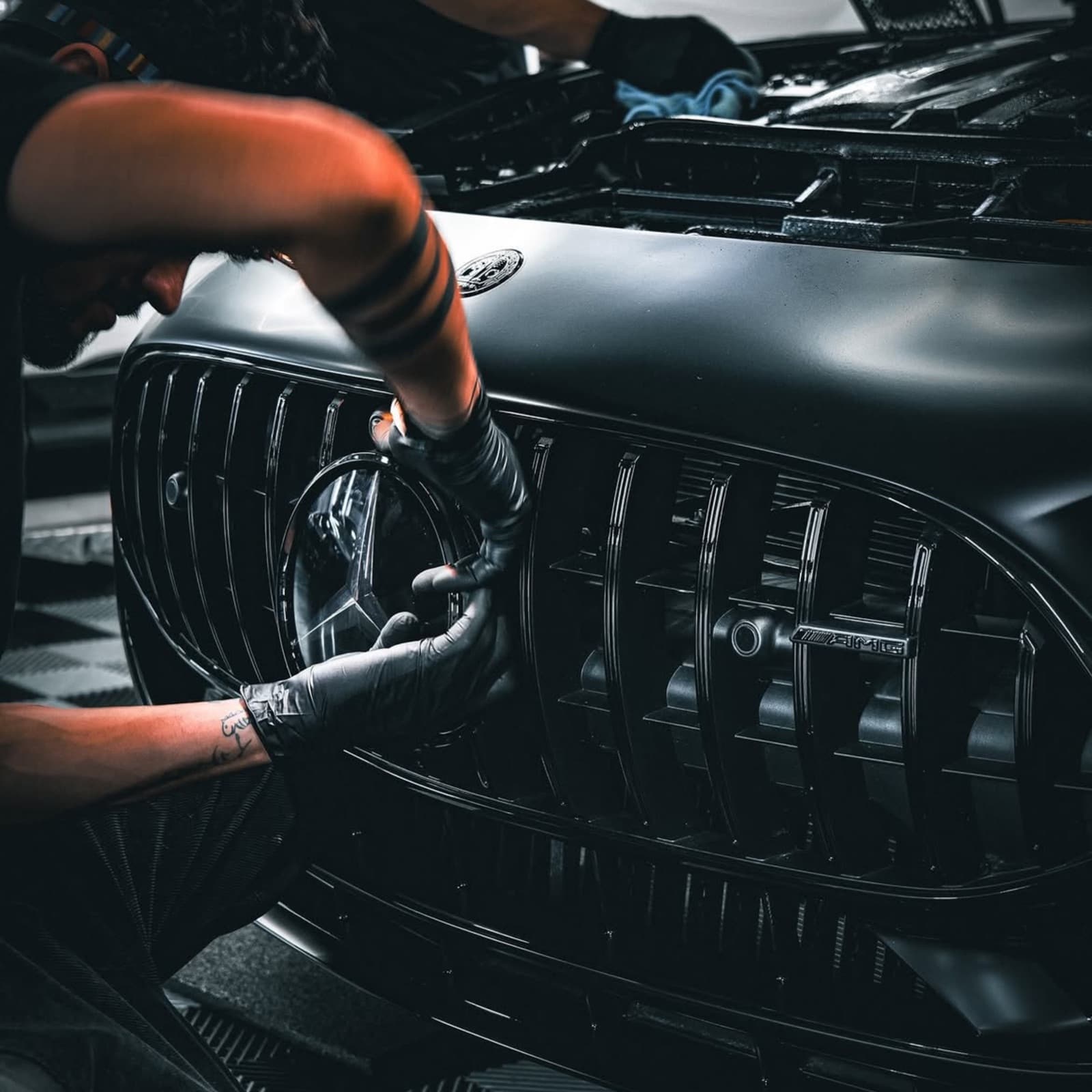
What Is Paint Correction And Does Your Car Need It?
22 May 2026 · 4 Min Read · By Jai
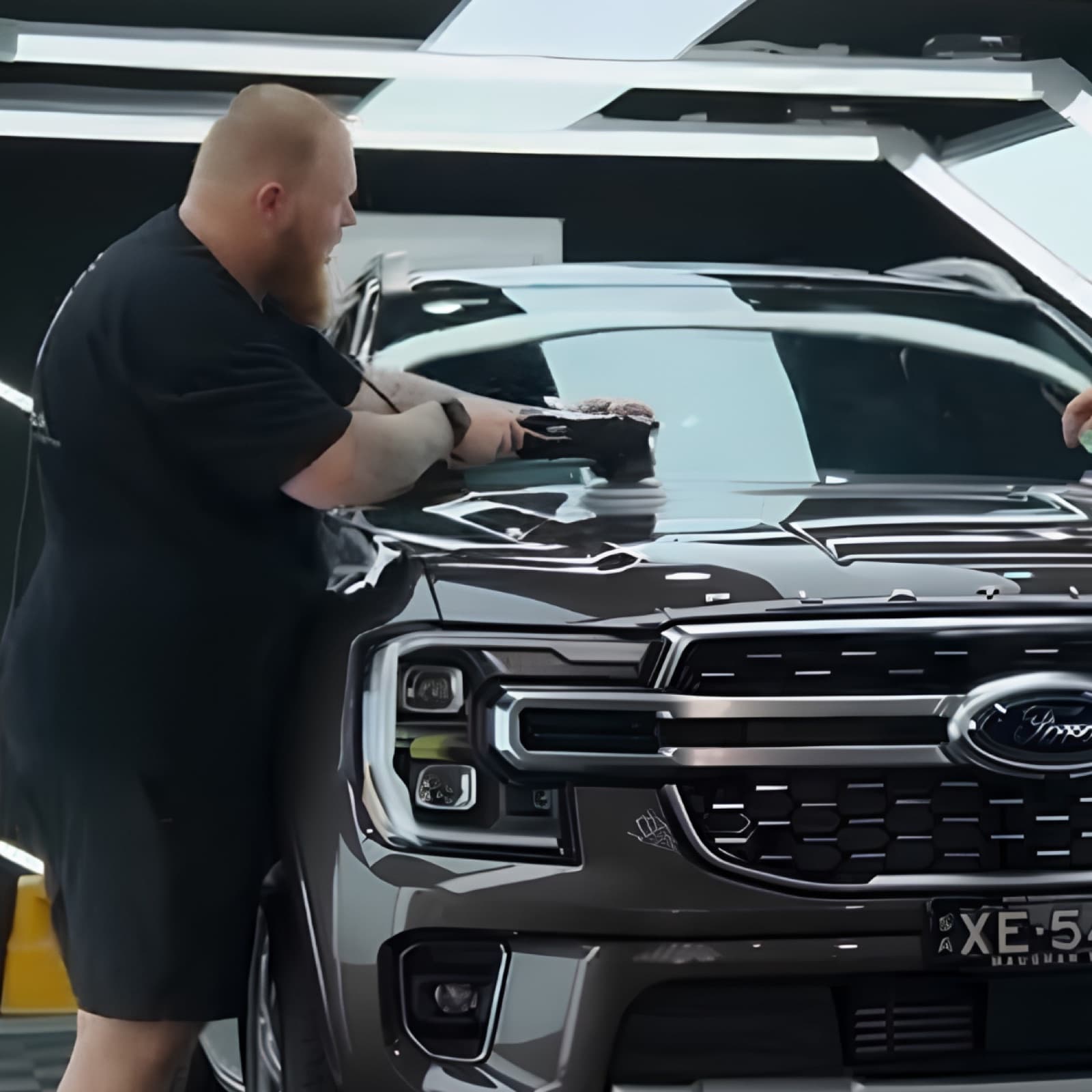
What is paint correction? It is a controlled machine-polishing process that removes a very small amount of clear coat to reduce defects such as swirl marks, haze, light oxidation and some scratches. It aims to improve how paint reflects light, not to clean dirt or cover damage temporarily.
Your car may benefit if clean paint still looks dull or heavily marked and the improvement matters to you. It may not need correction if the finish is already acceptable, the defects are too deep or the paint is too thin or unstable for safe polishing.
Jai reads the paint on the vehicle in front of him before anything is quoted, then matches the stage of work to what the car actually needs.
What Defects Can Paint Correction Improve?
Depending on depth and paint condition, correction may reduce:
- wash-induced swirl marks
- fine scratches within the clear coat
- machine-polishing haze or holograms
- light oxidation on suitable paint
- some water-spot etching
- transfer marks and isolated scuffs
- loss of clarity from accumulated micro-marring
Results vary panel by panel. A defect that catches a fingernail or exposes colour, primer or metal is less likely to be safely removed by polishing.
Send through the make, model and rough condition, along with the suburb the car will be in, and Jai will come back with a real number.
What Can Paint Correction Not Fix?
It cannot repair:
- stone chips
- dents
- scratches through the clear coat
- peeling or failed clear coat
- rust
- cracked paint
- severe etching beyond safe removal
- texture or colour mismatch from poor repairs
Touch-up, dent repair or refinishing may be more appropriate. A trustworthy detailer should say when polishing is not the answer.
SWOUES Detailing is fully mobile. The full professional set-up arrives at your driveway, and the car is never left anywhere overnight.
How Does The Process Work?
Clean And Decontaminate
Paint must be free of loose and bonded contamination so abrasive pads do not drag dirt across the surface.
Inspect And Measure
The detailer assesses defects, paint history, edges and high points. Thickness readings can help identify variation but cannot guarantee the remaining clear-coat amount.
Perform A Test Spot
A small representative area is polished with a selected pad and abrasive combination. The result shows how the paint responds and whether the proposed target is reasonable.
Correct Panel By Panel
One or more polishing stages reduce defects. More stages can improve refinement but take longer and remove more material.
Protect The Finish
Wax, sealant, ceramic coating or another suitable protectant is applied according to the package. Protection does not make the corrected paint scratch-proof.
Paint correction runs as single stage, two stage or multi stage work, matched to the age and condition of the paint.
What Is The Difference Between One-Stage And Multi-Stage Correction?
A one-stage service uses one main polishing process to balance defect reduction and gloss. It can be a sensible improvement for daily drivers. Multi-stage correction uses a more aggressive cutting step followed by refinement, aiming for greater defect reduction where paint safely allows.
Package labels vary. Compare the agreed result, test spot and time, not stage count alone.
Preparation and decontamination come first on every job, because anything you put over paint seals in whatever is sitting under it.
Does A New Car Need Paint Correction?
Only when it has correctable defects the owner wants improved. Some new cars arrive with swirls or water spots; others do not. Automatic polishing removes clear coat unnecessarily.
Is Paint Correction Permanent?
The defects actually removed do not reappear, but new marks can be created through future washing and use. Fillers may temporarily hide defects, so ask whether the service is genuine abrasive correction or a glaze-based enhancement.
Safe aftercare helps preserve the result. Every job is completed by Jai himself, so the person who quotes the work is the person who carries it out.
How Much Clear Coat Does Correction Remove?
The amount varies with abrasive, pad, technique, paint hardness and defect target. It should be kept to the minimum needed. Consumer paint gauges generally measure total film build rather than the clear coat alone, so readings require interpretation.
Repeated correction is not routine maintenance. Preserve paint with better washing rather than planning to polish every year.
Cars in Melbourne's west spend most of the year parked outdoors, and Jai factors that in when he recommends how often a vehicle actually needs attention.
Does Your Car Need It?
Correction is worth considering when:
- the paint is clean but looks visibly swirled or hazy
- you want to improve the finish before coating
- selling or showing the car justifies the cost
- the paint is stable and the test spot supports improvement
- you understand that deeper defects may remain
Skip or limit it when preservation is the priority, the finish already satisfies you or repair is required.
Photos of the paint taken in daylight help more than anything else. Send them with your enquiry and the call will be far more useful.
How Long Does Paint Correction Take?
A single-stage enhancement may take several hours once washing and preparation are included. Multi-stage work can require a full day or longer, especially on large vehicles or complex paint. The number of technicians changes elapsed time, so duration alone does not define quality.
Before arrival, disclose repainted panels, touch-ups, film, coatings and previous correction. Do not apply glaze or wax immediately before assessment because fillers can obscure the paint’s true condition.
Can Correction Improve Sale Presentation?
It may improve photographs and first impressions, but it cannot guarantee a higher sale price. A restrained enhancement can be more proportionate than multi-stage correction on an ordinary used car. Compare the likely visual benefit with vehicle value, mechanical priorities and the sales channel.
Everything except the two membership plans is quoted on the vehicle, because paint condition and vehicle size both move the number.