How To Wash And Maintain A Ceramic-Coated Car
6 June 2026 · 4 Min Read · By Jai
Learning how to wash a ceramic coated car is straightforward: remove loose grime first, use clean and separate tools, wash with compatible automotive shampoo, rinse thoroughly and dry without dragging contamination across the paint.
The coating makes maintenance easier, but technique still matters. It can be scratched, contaminated and water-spotted. Always follow the actual installer’s curing, first-wash and product instructions where they differ from general guidance.
Every job is quoted after Jai has looked at the vehicle, so the figure is built around that car rather than read off a price list.
Before The First Wash
Confirm when the coating can be exposed to water, driven normally and washed. Cure requirements vary by product, application conditions and whether infrared or other controlled processes are used.
If bird droppings or another harsh contaminant lands during the initial period, contact the installer for product-specific advice rather than leaving it indefinitely.
Photos of the paint taken in daylight help more than anything else. Send them with your enquiry and the call will be far more useful.
What You Need To Wash A Coated Car
A practical kit may include:
- pressure washer or hose where permitted
- compatible pre-wash for meaningful grime
- coating-safe automotive shampoo
- clean wash mitts or towels
- dedicated wheel and tyre tools
- separate buckets or a controlled rinseless system
- soft drying towels or suitable filtered air
- a product-compatible drying aid if recommended
There are several safe methods. Product compatibility, towel cleanliness and contamination level matter more than owning a particular number of buckets.
Bookings run seven days a week by appointment, so the visit lands when it suits you rather than when a workshop has a bay free.
Step 1: Choose Suitable Conditions
Work on cool panels in shade where possible. Heat and wind make water and chemicals dry too quickly. Check local water-use and runoff requirements.
Jai works seven days a week by appointment across greater Melbourne, so a visit can land on a weekend if that is easier than a weekday.
If the vehicle is too hot, move it, wait or use a professional facility rather than racing against drying products.
Step 2: Clean Wheels With Separate Tools
Wheels carry brake dust and road grime that should not be transferred to paint. Use products suitable for the wheel finish and any wheel coating. Work one area at a time and do not allow chemistry to dry.
Strong acidic or alkaline cleaners may be useful in professional decontamination but should not be assumed safe for every finish or coating.
Step 3: Pre-Rinse Or Pre-Wash
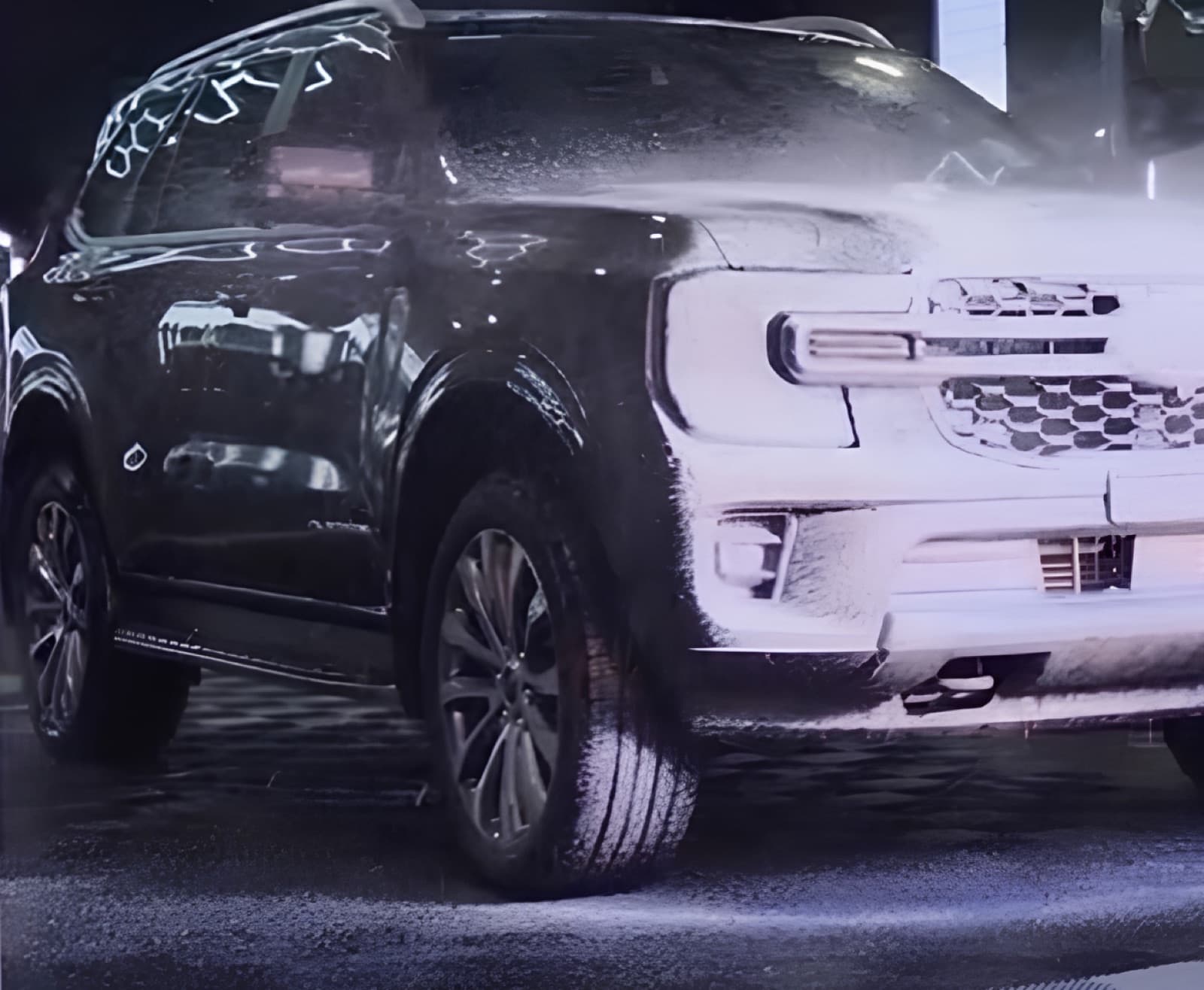
Remove as much loose contamination as practical before contact. Start at appropriate areas and rinse wheel arches, lower panels, grilles and crevices. A pre-wash product can loosen traffic film, but foam thickness alone does not prove cleaning ability.
Jai reads the paint on the vehicle in front of him before anything is quoted, then matches the stage of work to what the car actually needs.
Step 4: Perform A Controlled Contact Wash
Use clean wash media and compatible shampoo. Work in small sections, moving dirt away rather than repeatedly rubbing it around. Rinse or change contaminated media frequently. Lower sections may need separate tools because they hold more road film.
Do not press harder on stubborn spots. They may require targeted treatment after the main wash.
Step 5: Rinse Thoroughly
Remove shampoo from seams, mirrors, trim and badges. Observe water behaviour, but do not diagnose coating failure while film or product residue remains.
Some coatings bead tightly; others sheet quickly. Both behaviours can be valid.
Step 6: Dry Safely
Do not leave mineral-rich water to evaporate. Use clean, soft drying towels with light contact or suitable air. A compatible drying aid may reduce friction if approved for the coating.
Never wipe a partially dirty, rain-spotted car dry. Wash it first.
Ceramic coating is available in three tiers: paint on its own, paint with wheels and glass, and a full vehicle package that adds the interior.
How Often Should You Wash It?
Wash when meaningfully dirty, often every one to three weeks for a daily driver, adjusted for parking, use and conditions. Remove bird droppings, bugs, sap and spills sooner.
A fixed schedule is less useful than inspection. Preparation and decontamination come first on every job, because anything you put over paint seals in whatever is sitting under it.
How Do You Deal With Weak Beading?
Start with a thorough wash. If behaviour remains inconsistent, bonded contamination or minerals may require product-compatible decontamination. Avoid aggressive clay or polishing without assessment; clay can mar, and polishing can remove coating.
Paint correction runs as single stage, two stage or multi stage work, matched to the age and condition of the paint.
Products And Habits To Avoid
- automatic brush washes
- household detergent
- dirty or dropped towels
- dry dusting
- abrasive polish used as a cleaner
- unverified waxes or sealants over the coating
- strong chemicals left to dry
- repeated hard-water evaporation
- aggressive scrubbing of bugs or bird droppings
Touchless washes are a compromise: no brushes, but potentially strong chemistry and incomplete traffic-film removal.
Do You Need A Topper?
Use one only when it is compatible and useful within the installed system. Toppers can renew slickness or water behaviour but may hide the base coating during diagnosis. More product is not automatically better.
A five star review record across more than 70 Google reviews sits behind the work, and it is still growing.
When Should A Professional Inspect The Coating?
Ask for help if the surface remains rough after washing, water spots persist, panels behave unevenly, scratches need correction or the vehicle has been exposed to overspray or harsh chemicals. Warranty systems may also require documented inspections.
Everything except the two membership plans is quoted on the vehicle, because paint condition and vehicle size both move the number.