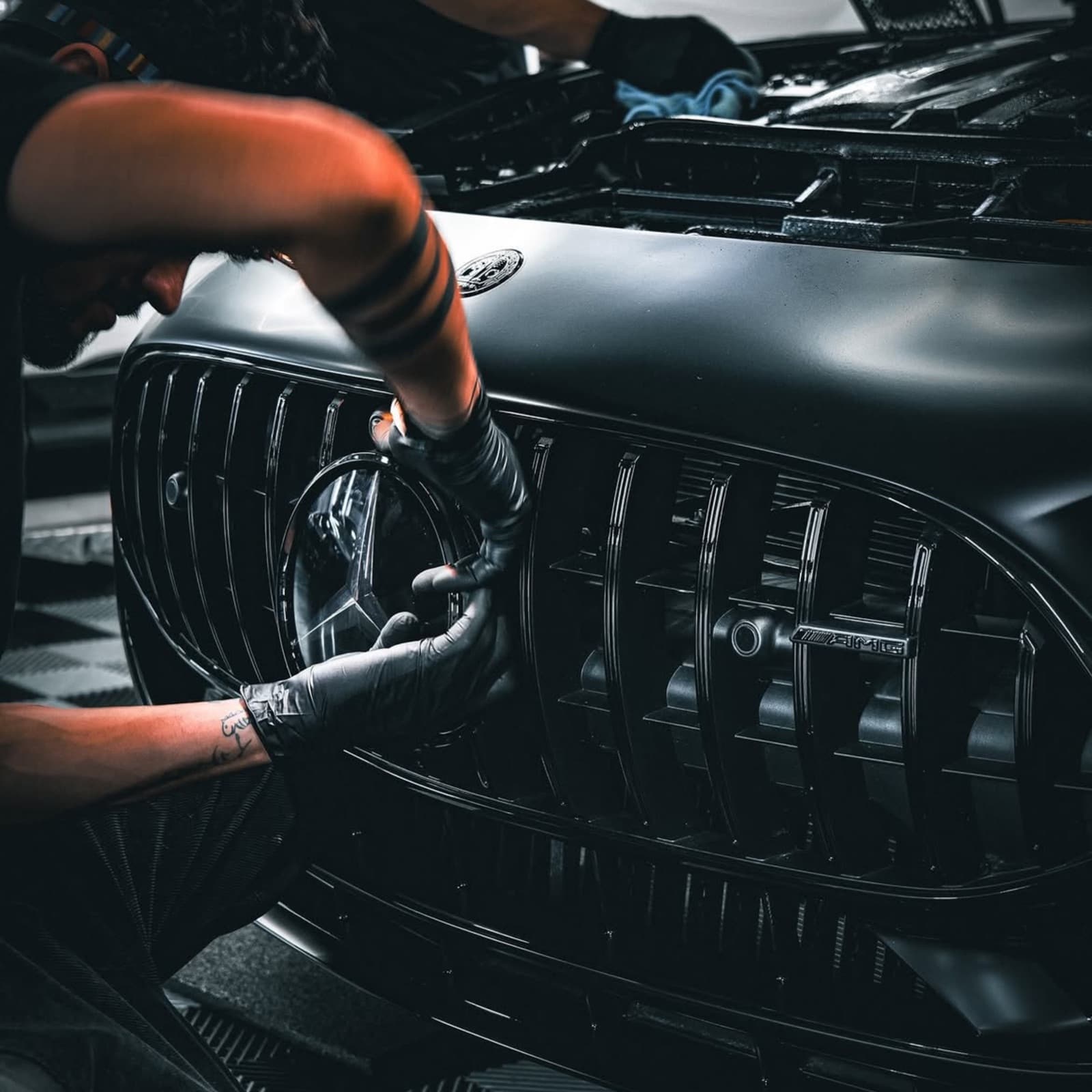
How Often Should You Get Your Car Professionally Detailed?
29 August 2026 · 5 Min Read · By Jai
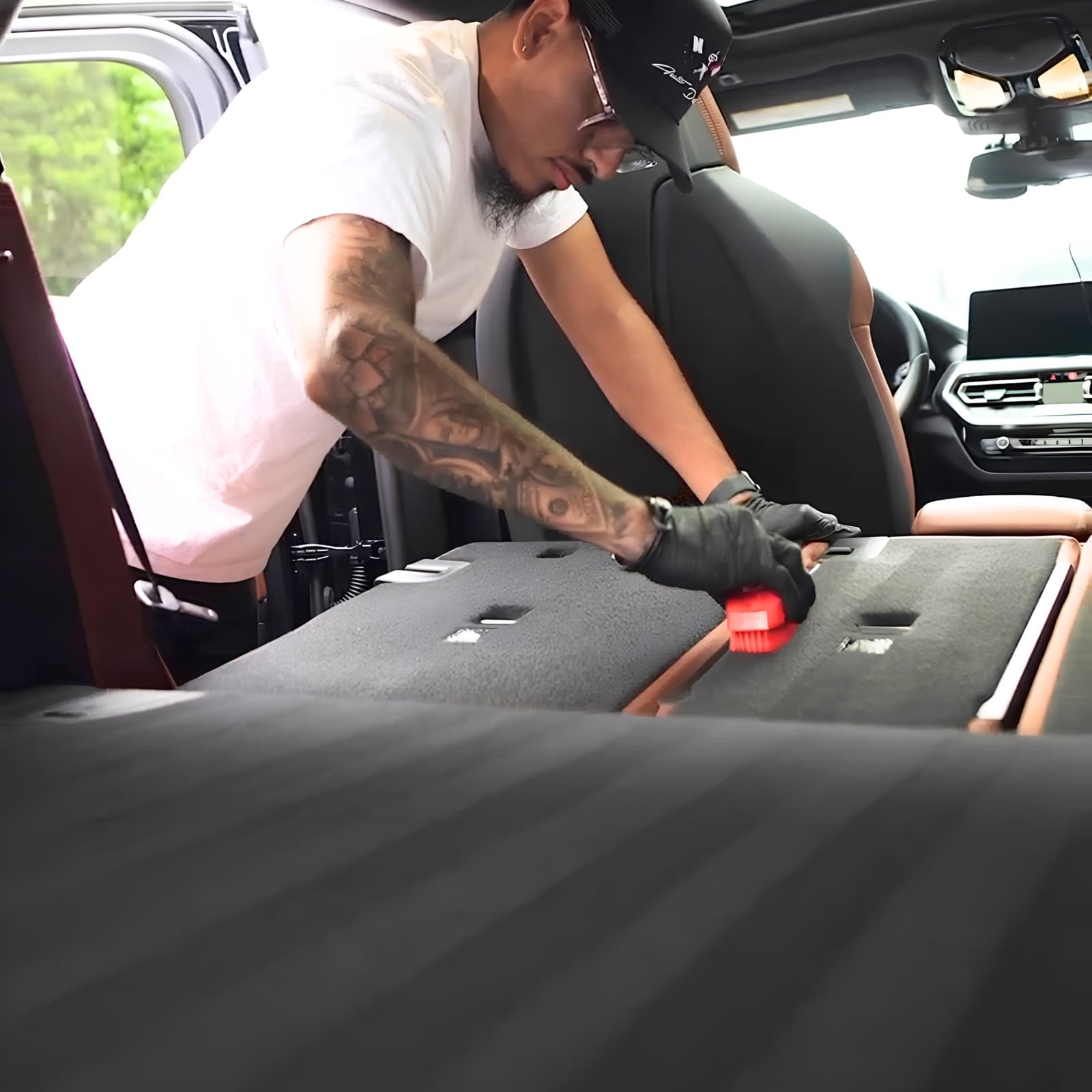
A sensible starting answer to “How often should you get your car detailed?” is once every four to six months for most regularly driven cars. That is not a rule, though. A daily-driven family SUV parked outside may need attention sooner, while a garaged weekend car may go longer between full details.
The right car detailing schedule depends on how the vehicle is used, where it is kept, what protection it has and what you expect the detail to achieve. Regular washing matters too: a professional detail cannot compensate for months of poor maintenance between visits.
At SWOUES Detailing, we recommend looking at the vehicle’s real condition rather than booking by the calendar alone. Preparation and decontamination come first on every job, because anything you put over paint seals in whatever is sitting under it.
What Is A Sensible Professional Car Detailing Frequency?
A useful general guide is:
- Every one to three months: hard-working vehicles, cars carrying children or pets, rideshare vehicles, vehicles parked outside, or owners who want a consistently high standard.
- Every four to six months: most daily drivers that receive reasonable washing and interior upkeep.
- Every six to twelve months: lightly used, garaged cars with good ongoing maintenance and suitable protection.
- As needed: specialist work such as stain treatment, decontamination or paint correction, which should be based on condition rather than automatically repeated.
These intervals describe a more complete professional detail, not ordinary maintenance washing. Your vehicle may still need to be washed every week, fortnight or several weeks depending on use and contamination.
SWOUES Detailing offers a Standard Detail for maintenance and a Full Detail that adds decontamination, a hand polish and a full interior deep clean.
Your Car May Need Detailing Sooner If It Lives A Hard Life
Two cars of the same age can need completely different care. Consider how often yours faces the following:
- outdoor parking and tree sap
- bird droppings or insect residue
- dusty, muddy or unsealed roads
- food, drink, children or pets inside
- frequent highway driving
- work equipment, sport gear or beach use
- long gaps between safe washes
Cars in Melbourne's west spend most of the year parked outdoors, and Jai factors that in when he recommends how often a vehicle actually needs attention.
If several of these apply, waiting for a fixed six- or twelve-month anniversary may allow contamination and interior grime to become harder to manage. Send through the make, model and rough condition, along with the suburb the car will be in, and Jai will come back with a real number.
What Does “Detailed” Mean In This Schedule?
The word detail is used loosely. A maintenance detail may focus on safe cleaning and topping up protection. A deeper service may add paint decontamination, more intensive interior cleaning, machine polishing or targeted stain treatment.
That difference matters when setting a schedule. Paint correction, for example, is not routine cleaning and should not be performed unnecessarily. It removes a small amount of clear coat to reduce visible defects, so the decision should be based on paint condition, goals and safe measurement, not an arbitrary recurring date.
Ask what is actually included before comparing frequencies or prices. SWOUES Detailing is fully mobile. The full professional set-up arrives at your driveway, and the car is never left anywhere overnight.
How Can You Tell Your Car Is Due For A Detail?
The Paint Still Feels Rough After Washing
Bonded contamination can remain after ordinary washing. If clean paint feels gritty through a safe inspection method, professional decontamination may be appropriate. Do not repeatedly scrub the surface; friction can add marks.
Water Behaviour Has Changed
Slower sheeting or weaker beading can indicate contamination or reduced protection, although beading alone does not prove a coating or sealant has failed. Cleaning and an inspection come before assuming reapplication is needed.
The Cabin No Longer Responds To Basic Cleaning
Persistent odours, built-up grime, embedded pet hair and visible staining can signal that a normal vacuum and wipe-down are no longer enough. Some stains and odours cannot be guaranteed to disappear completely, especially if they have reached underlay or damaged a material.
You Are Avoiding Parts Of The Car
Sticky cupholders, congested cargo areas, dirty door jambs and neglected wheels tend to worsen because they are awkward to address. A detail can reset these areas and make routine upkeep easier.
Interior work is done by hand, section by section, which is exactly why a proper detail is measured in hours rather than minutes.
Does A New Or Protected Car Need Less Detailing?
A new car still collects traffic film, mineral deposits, spills and interior grime. A ceramic coating, wax or sealant may make maintenance easier and provide a sacrificial protective layer, but none makes a car self-cleaning or immune to scratches.
Protected cars often benefit from regular, gentler maintenance rather than long periods of neglect. The service may be less intensive when contaminants are addressed early. Owners should also follow any verified aftercare or warranty requirements attached to their chosen protection.
Photos of the paint taken in daylight help more than anything else. Send them with your enquiry and the call will be far more useful.
Can You Detail A Car Too Often?
Safe maintenance cleaning can be frequent. Aggressive processes should not be. Harsh chemicals, unnecessary extraction, repeated abrasive polishing and poor washing technique can create wear rather than prevent it.
The better question is not “How often can I buy a full detail?” but “What is the least aggressive service that will achieve what this car needs now?” A trustworthy detailer should be comfortable recommending a maintenance service when a larger package is unnecessary.
A Practical Annual Schedule
For a typical daily driver, an annual plan might include regular safe washes, light interior upkeep, a more complete detail every four to six months and condition-based specialist work only when required. Change that plan after life events: a long road trip, a season of outdoor parking, a new pet or a change in work use can all alter the vehicle’s needs.
The Maintenance Membership is $169 per month for one detail a month, and the Unlimited Detailing Membership is $299 per month per car.
If you are unsure how often to get your car detailed in Melbourne, start with its current condition. Tell Jai how the car is parked and roughly how far you drive, because both change what is actually worth doing.