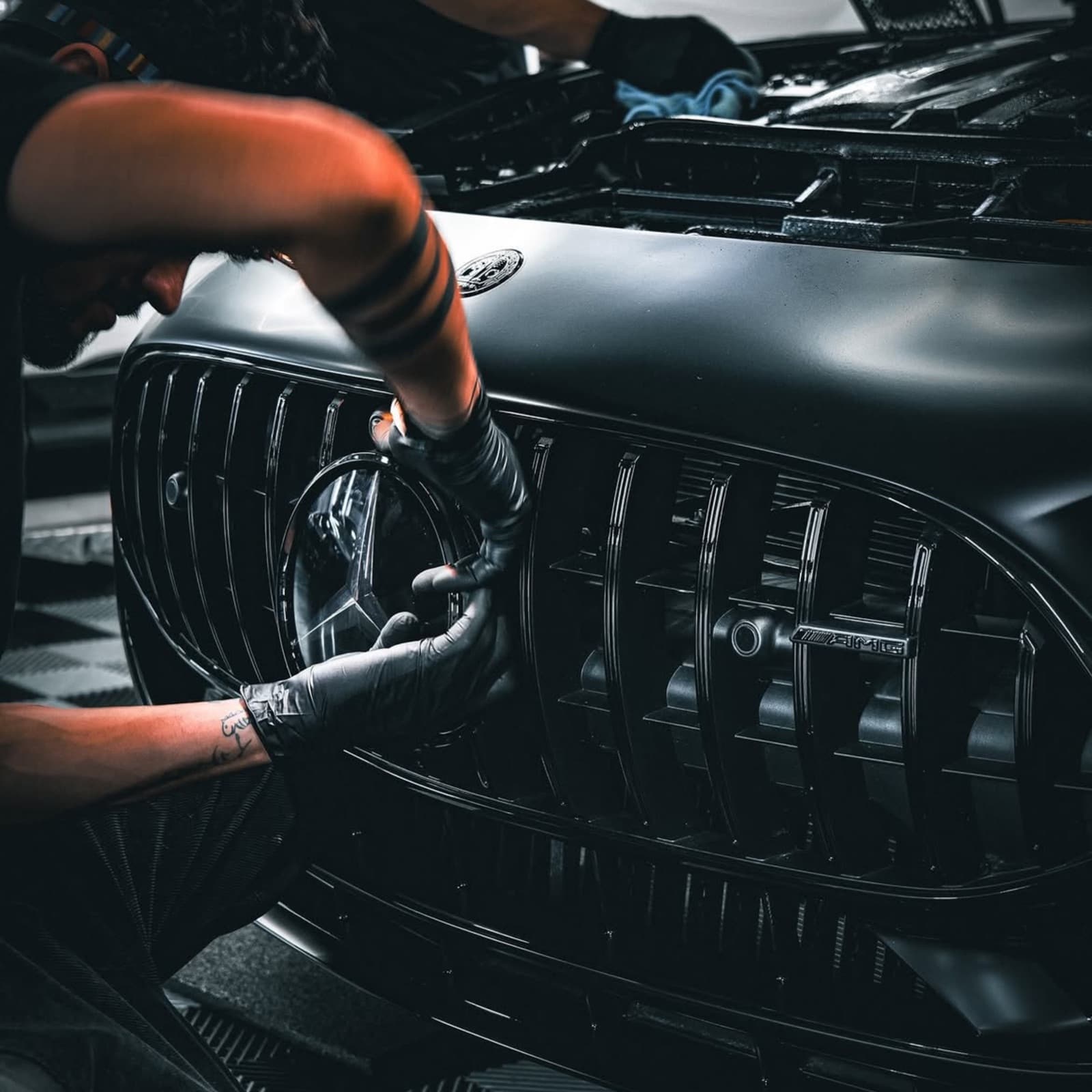
What Happens Before A Ceramic Coating Is Applied?
31 May 2026 · 5 Min Read · By Jai

Ceramic coating preparation normally includes a thorough wash, condition assessment, removal of bonded contamination and product-specific final surface cleaning. Paint correction may be added when defects are present and the owner wants them improved, but it is not automatically required on every car.
Preparation matters because a coating is clear and designed to remain for an extended period. Dirt, wax, residue and visible defects left underneath will not be fixed by applying the product over them.
Correction stages are chosen by condition rather than by the year on the compliance plate. A garaged five year old car and a hard working two year old car can land in very different places.
Step 1: Confirm The Vehicle And The Owner’s Goal
The detailer should establish what surfaces will be coated, what the owner expects and how the car will be maintained. A driver seeking easier washing may choose different preparation from an enthusiast seeking substantial defect reduction.
Existing protection, paint repairs, wraps, film, matte finishes and sensitive aftermarket parts should be disclosed. Every enquiry submitted through the site claims up to a $500 credit towards a detailing, paint correction, ceramic coating or headlight restoration package.
Step 2: Inspect And Document The Condition
Inspection may reveal swirls, water spots, overspray, stone chips, clear-coat failure or repainted panels. Suitable lighting is important. Paint-depth readings can add information where appropriate, but they do not identify every layer or remove all polishing risk.
Some defects need body repair, not detailing. A coating should not be presented as a solution for peeling clear coat, rust or deep damage.
Jai is trained and accredited in both the GYEON and Naisiol coating systems, so the system is matched to your paint rather than to whichever bottle happens to be on the shelf.
Step 3: Complete A Safe Wash
Loose dirt and traffic film need to be removed before more direct contact. The process may include wheel cleaning, pre-wash, contact washing, crevice cleaning and careful drying. Clean tools and appropriate chemistry reduce the chance of adding marks before coating.
Cars in Melbourne's west spend most of the year parked outdoors, and Jai factors that in when he recommends how often a vehicle actually needs attention.
Step 4: Remove Bonded Contamination
Iron deposits, tar, sap, mineral residue and other bonded material may remain after washing. Chemical decontamination can target some deposits. Clay or another mechanical process may be used where appropriate, but it can create marring and should not be automatic.
The paint should be reassessed after decontamination because hidden defects become easier to see.
Where a defect is too deep to remove safely, Jai says so rather than chasing it, because clear coat is finite and there is no putting it back.
Step 5: Decide Whether Paint Correction Is Needed
Correction uses abrasives to reduce clear-coat defects. It can improve swirls, haze, oxidation and some scratches within safe limits. Deep scratches, chips and clear-coat failure remain.
Three common preparation paths are:
- Clean and prepare only: for stable paint in acceptable condition.
- Single-stage enhancement: for a useful gloss improvement and reduction of lighter defects.
- More involved correction: for owners seeking greater defect reduction where paint condition allows.
Every service is delivered mobile. There is no workshop, and the full set-up travels to wherever the car lives.
Step 6: Refine And Clean The Surface
Polishing residue, oils and old protection need to be removed using a process compatible with the coating system. The objective is a clean, stable surface that allows consistent application.
This stage is not simply wiping the paint with the strongest solvent available. Sensitive finishes, fresh paint, trim and film need suitable methods.
SWOUES Detailing is fully mobile. The full professional set-up arrives at your driveway, and the car is never left anywhere overnight.
Step 7: Control The Application Environment
The car should be dry, and the environment should fall within product instructions for temperature, humidity, lighting and moisture exposure. Dust, wind and rain can affect mobile applications; studio work still requires cleanliness and process control.
Coating work uses the GYEON and Naisiol systems, both of which Jai is accredited to apply.
How Long Does Preparation Take?
It can take several hours or more than a day depending on size, contamination and correction. Application itself may represent a smaller portion of the total appointment than owners expect. Cure and handover timing then depend on the actual product.
Coatings go down only when the conditions on the day will let them cure, which is a judgement Jai makes on site rather than in advance.
Can A Coating Be Applied Without Polishing?
Yes, when the paint is stable, clean and visually acceptable to the owner. Polishing is not a bonding requirement for every product or car. It is performed to improve appearance or remove specific residue when needed.
Conversely, calling a quick wash sufficient preparation for every vehicle is unrealistic. Decontamination and paint condition still need assessment.
Does Preparation Change For Matte Paint, Wraps Or PPF?
Yes. Matte finishes should not be conventionally polished because local gloss changes can become permanent. Wraps and PPF need film-compatible cleaning, and abrasive work can alter their topcoats or edges. Each surface also requires a coating approved for that material.
Identify every surface before the quote. A vehicle can have painted panels, replacement PPF, vinyl accents, gloss trim and fresh body repairs that each need a different process.
Why Can Preparation Change The Quote?
Photos may not reveal bonded contamination, paint hardness, previous repairs or defect depth. A written estimate should explain whether changes require owner approval.
Every car is walked around with the owner before Jai packs up, so anything outstanding is raised there rather than found a week later.
What Should The Owner Do Before Arrival?
Follow the business’s instructions. Common steps include removing personal items, avoiding fresh wax or sealant, disclosing repairs and arranging transport for a long booking. Do not attempt aggressive DIY correction immediately before professional assessment.
Bookings run seven days a week by appointment, and the visit is scheduled around you rather than around a workshop diary.